
April 9, 2026
Maisuyati Primary: More Time to Learn
Tucked into Laikipia County, Kenya, Maisuyati Primary School has long served as a center of learning and possibility for its 250 students and the broader community of 3,000 people who call this place home. With 18 dedicated teachers guiding young minds through their education, the school has always held enormous promise. But for years, one persistent challenge shadowed everything else: the water.
The community’s primary water source was a murky creek shared with livestock. Contaminated and unreliable, it was the origin of frequent waterborne illnesses, typhoid among them, affecting students and families alike. The nearest clean borehole was privately owned and a kilometer away, effectively out of reach. And so, day after day, children carried the burden of that creek with them: to their classrooms, to their homes, and into their health.
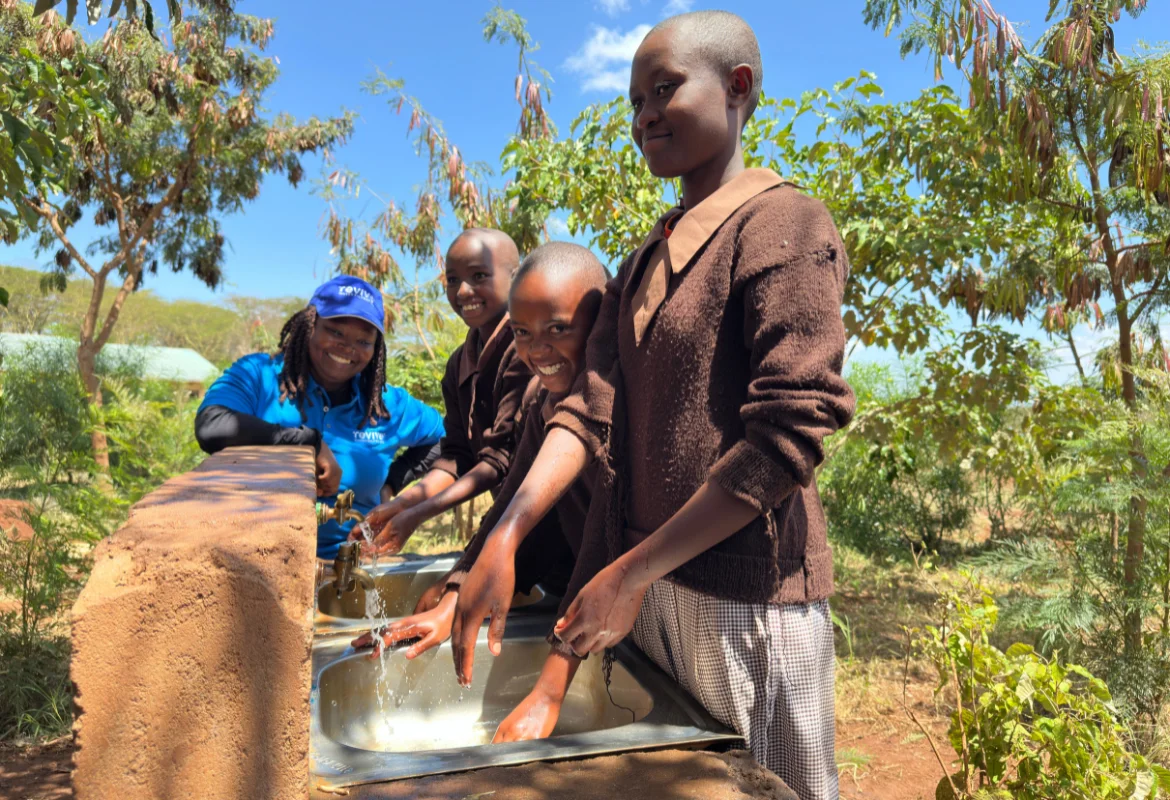
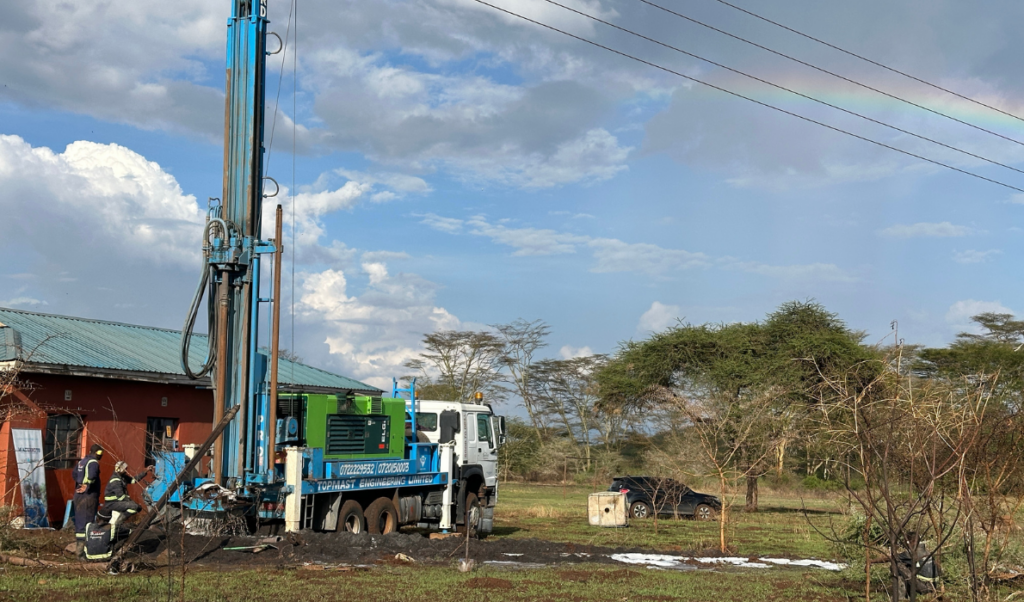
In 2024, a 150-meter deep borehole was drilled at Maisuyati, and what came up was remarkable. The water met WHO standards with no treatment required, flowing at 23.4 cubic meters per hour. A solar-powered submersible pump now lifts that water into a 10,000-liter storage tank atop a 6-meter elevated structure, distributing clean water to the school’s kitchens, classrooms, handwashing stations, and a community water kiosk available to all.
The change was immediate. Students no longer leave campus to collect water from a contaminated source. Meals are prepared with clean water. Hands are washed regularly. Absenteeism tied to waterborne illness has dropped. For the first time, the school can simply be a school.
But the Ripple Effects extend well beyond the classroom. The whole community now has reliable access to safe water — for drinking, cooking, and daily life. The persistent threat of typhoid and other waterborne diseases has been lifted. And with a consistent water supply, families are beginning to explore what wasn’t possible before: vegetable gardens, small-scale farming, and the food security that comes with them.
 To help ensure the system lasts, a Community Water Committee was established and trained in management and maintenance. The community has also been onboarded onto the Well Beyond App for ongoing maintenance checklists and support, because clean water isn’t just about the day it arrives. It’s about every day after.
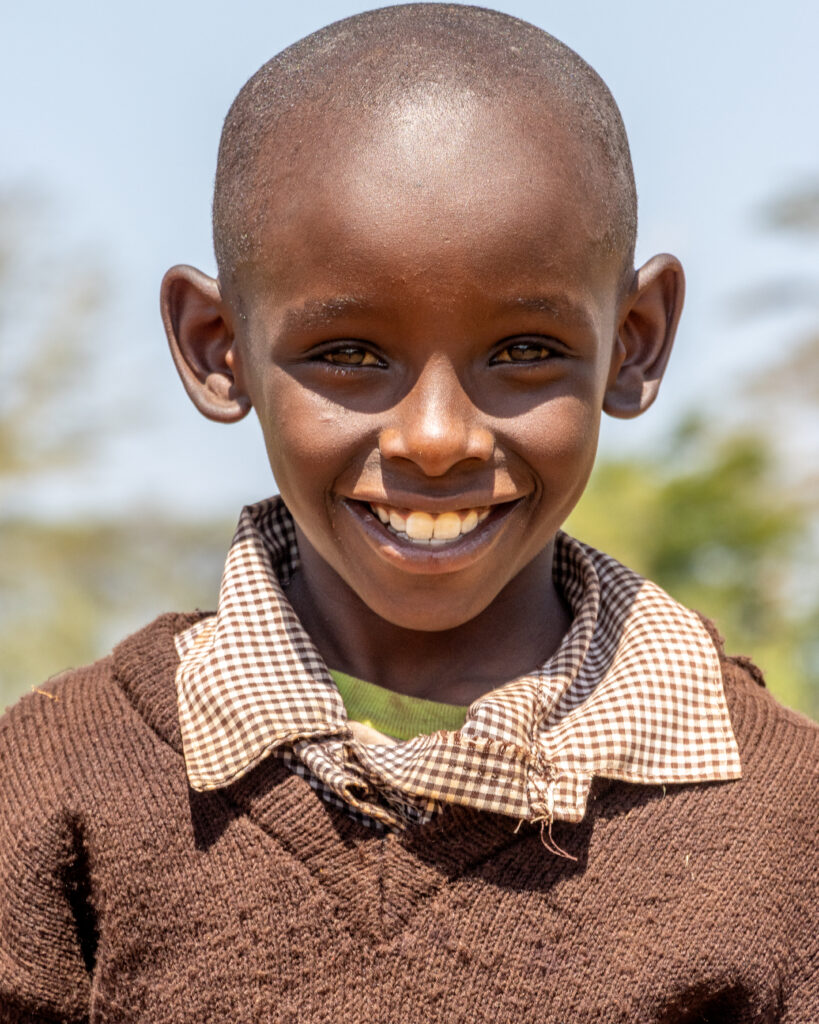
Two students put the impact into words better than any statistic could. Julius, age 10, is a Grade 4 student who lights up talking about English and his love of reading. For him, clean water means more time to learn and less time getting sick. “Water is life,” he says simply. Faith, age 14, dreams of becoming a doctor. She used to spend precious hours walking for water; now, she says, “I can stay in school instead of walking for water every day.” One step closer to the future where she’ll be the one helping others thrive.
Your support does more than provide water. It gives Julius more time with his books. It gives Faith a clearer path to her dream. It gives an entire community the foundation to grow.