
May 4, 2026
Why Frontline Organizations Feel Funding Cuts First And Hardest
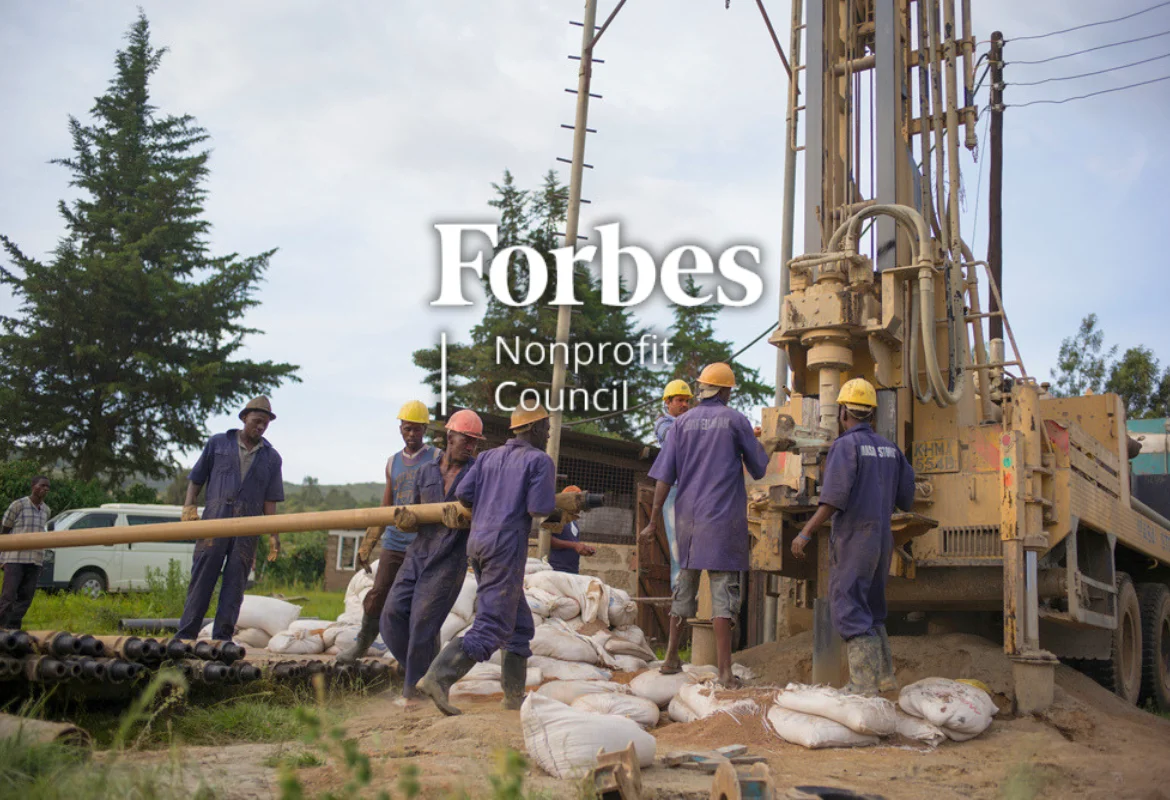
When funding tightens for nonprofits, we all feel the pain. No organization wants to rearrange a budget and possibly let go of people they care about.
But different types of organizations feel the impact of funding losses in very different ways.
For those of us with boots on the ground, it feels like shrinking payroll projections and interrupted program timelines. It feels like incredible pressure to fulfill promises made to those who need our services most. It feels awful.
In every downturn, one type of nonprofit absorbs the shock first and deepest: the ones directly responsible for delivering programs and services. And more people should know this.
‘Similar’ Nonprofits Do Very Different Things
The nonprofit sector includes a wide range of models: some organizations raise and regrant funds, others focus on advocacy and still others oversee partnerships or provide fiscal sponsorship.
Then there are operations (or implementing) nonprofits—the ones that design, build and steward programs directly. These teams employ engineers, teachers, health workers, community experts and project managers. They sign multi-year agreements and maintain compliance systems across borders. They are accountable for not only launching initiatives, but also ensuring their success and meeting ongoing needs.
From the outside, these distinctions are not always obvious; websites use similar language and impact reports tell similar stories. So donors often can’t distinguish between an organization that implements programs itself and one that funds those of us that do.
It’s this lack of clarity that makes a funding squeeze disproportionately difficult.
Nonprofit Type Matters More In Lean Times
Not all nonprofits are set up the same way, and in lean funding environments, those structural differences matter quite a bit.
Implementing organizations operate with lean overhead and tighter program budgets, and their dollars go almost entirely to delivery. This efficiency is a feature, but it means there’s little cushion when funding shifts. When a major donor or significant company sponsor pulls back, an implementing organization is less likely to have the reserves to absorb it without program interruption. Projects stall and communities awaiting the project feel it immediately.
Intermediary foundations, by contrast, often hold significant assets and can weather volatility. They’re not better or worse; they serve a different function in the ecosystem. But they are not interchangeable with direct implementors, and conflating the two leads donors to dangerously underestimate the fragility of the organizations closest to the ground.
Risk Sinks To The Bottom
When budgets tighten, something else becomes visible: where the risk actually lives.
Implementing organizations carry an enormous amount of operational exposure. We commit to multi-year projects in places where political and economic conditions shift without warning. We manage currency fluctuations, supply chain disruptions and payroll across the planet—even when funding is delayed. We stand behind performance commitments that require years of continuity to fulfill.
When something goes wrong, we are accountable.
Funders adjusting their strategies in response to economic pressure makes sense—that’s their job. But when funding strategies shift, the operational risk doesn’t disappear; it moves. And it settles with whomever is carrying the staff, the infrastructure and the long-term community commitments.
Intermediaries can scale grant-making up or down; campaigning organizations can postpone; advocacy groups can adjust timelines without much disturbance. Implementing organizations don’t have that flexibility.
When we pause or pull back, infrastructure deteriorates, staff find more stable income and community trust is broken. The organizations most accountable for delivery are also, structurally, the least able to absorb revenue instability.
The Cost of Durability
Our sector has spent years (understandably) pushing back against overhead ratios as a proxy for real impact. Let’s take that argument a little further.
Operating infrastructure isn’t administrative excess; it’s impact. Without implementing organizations that require overhead, there is no sector. Foundations need to fund something and advocacy groups need outcomes to point to. The entire ecosystem depends on organizations willing to hire engineers, sign multi-year agreements, maintain compliance systems and show up in communities year after year. That work is the foundation everything else is built on… but it’s chronically undervalued.
The engineers, compliance systems, staff monitoring and cross-planet payroll that make our work possible aren’t expenses to be minimized; they are what allows social impact work to happen. They are what sustainable impact requires.
Outputs matter, but so does whether those outputs last. Durability requires steady operating revenue, full stop.
What Field-Based Leaders Can Do
We can’t assume that donors understand any of this—most don’t. And that’s not a critique of donors; it’s an indictment of how our sector communicates. We’ve spent decades flattening these distinctions; if donors can’t tell an implementing organization from an intermediary, it’s because we taught them that it didn’t matter.
So it’s on us to explain, clearly and without defensiveness. That means being explicit about what it actually means to employ full-time field staff and carry multi-year obligations. And it means describing, in concrete terms, what a funding pause of 12 months would actually cost, not just in dollars, but in lost staff, compromised infrastructure and fractured community trust.
It’s time we reclaim operating capacity as a strength—because it is. Operating costs are not something to apologize for, and operational infrastructure is what makes outcomes repeatable. (Let this be our mantra.)
One more thing. Let’s stop letting nonprofit models blur in how we communicate externally. Interdependence in the sector doesn’t require indistinguishability, but it does require that implementors remain healthy.
A Question Worth Asking
If the organizations directly delivering programs can’t sustain stable operating revenue, what happens to the outcomes we all care about?
That’s the question underpinning all this, and it doesn’t have a comfy answer. The nonprofit ecosystem needs funders, intermediaries, advocates and implementors. Each role matters, but those roles carry different structural pressure when funding tightens—and the organizations closest to the ground feel it first, hardest and with the longest wake.
If we truly want impact that endures, the sector has to be honest about who’s holding the weight. And funders have to care about keeping these organizations standing.